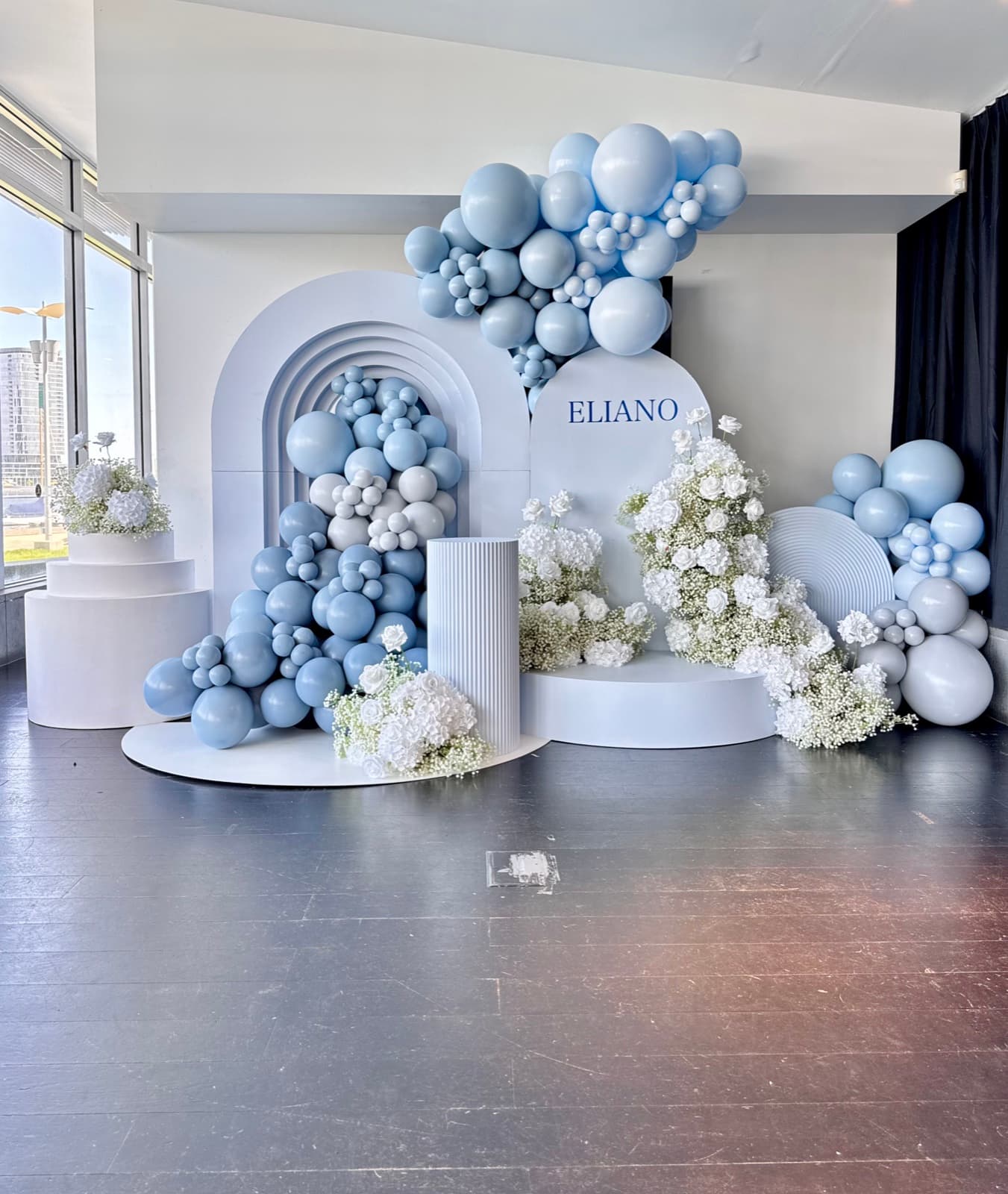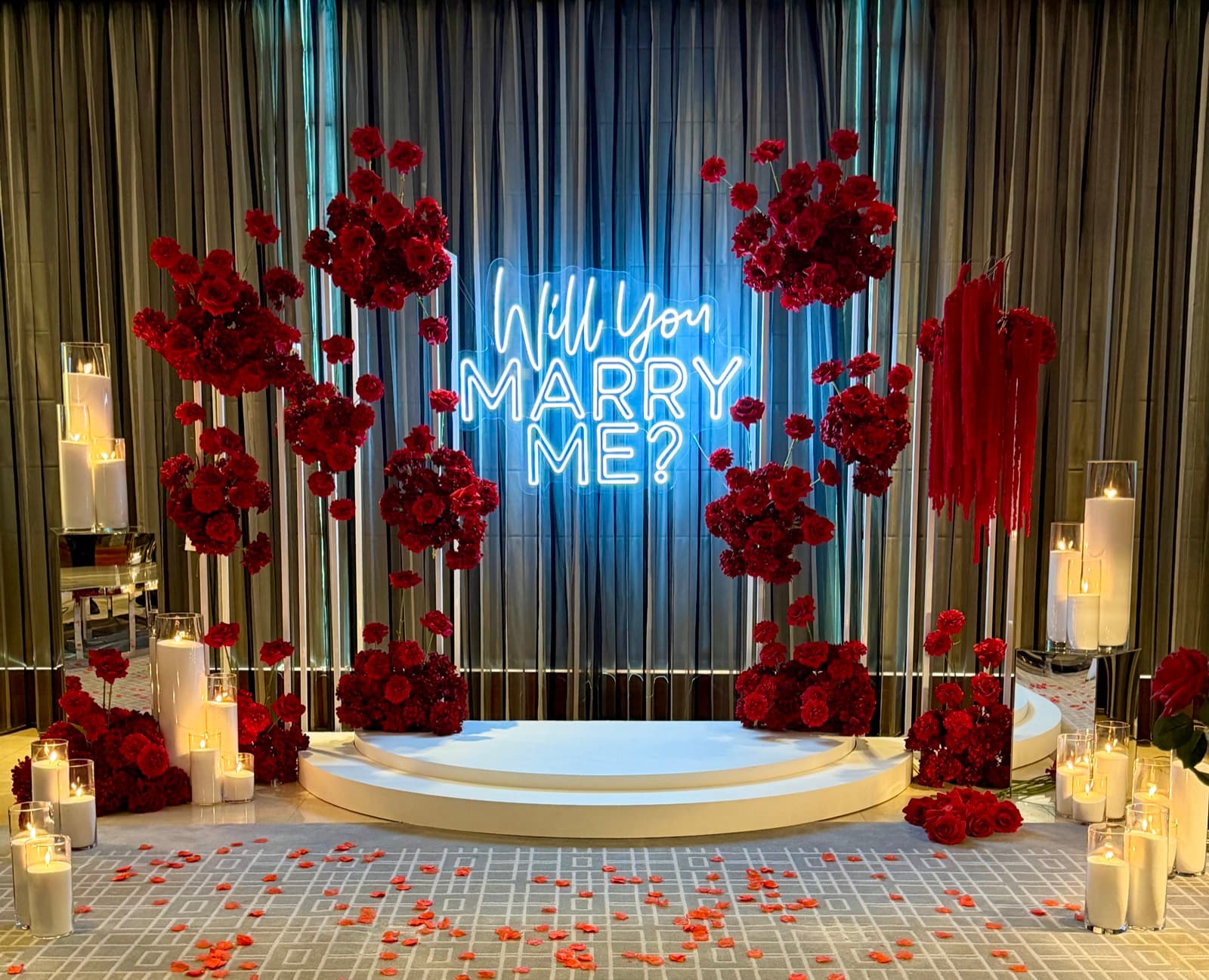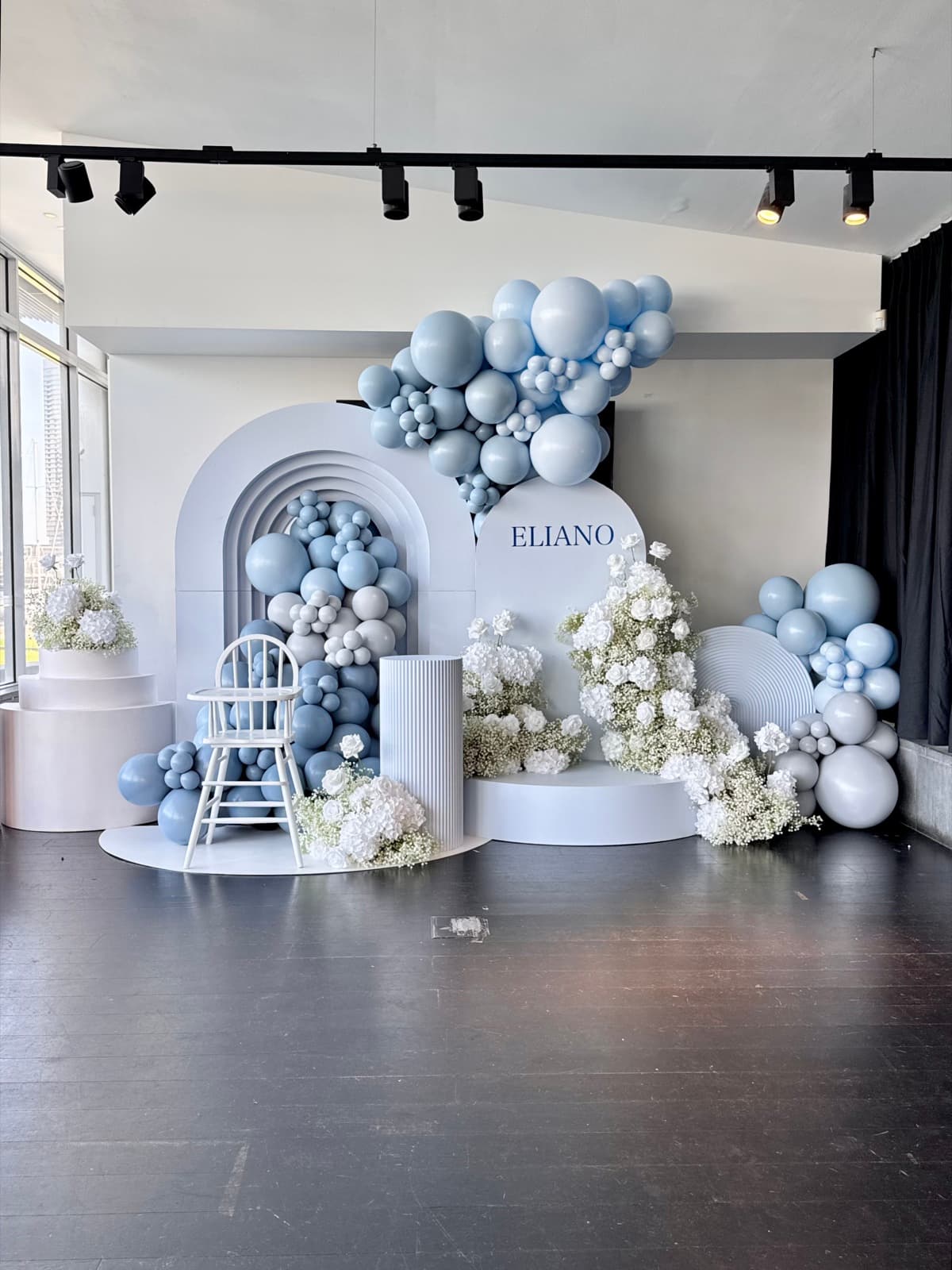
Most couples never see what happens before their wedding begins. According to ABIA research, event styling is consistently ranked among the top five elements that create the overall wedding atmosphere. You arrive to a fully styled venue — arches in place, candles lit, every centrepiece positioned — but the 4+ hours of work that created that moment are invisible. Here is what a typical full wedding setup looks like when iDo Events arrives at a Melbourne venue at 8am for a 12pm ceremony.
7:30am — Load Out
Everything gets loaded into our van the night before or early morning. For a full wedding (ceremony + reception), a typical load includes:
- 1–2 arch frames (ceremony + bridal table backdrop)
- Draping fabric (30+ metres for ceiling coverage of a standard function room)
- Centrepieces for 15–25 tables (pre-assembled on plates/mirrors)
- Floral towers (3–5 tall pieces, packed in protective cases)
- Plinths, easels, signage frames
- Fairy light strands, festoon strings, extension leads
- Candles, tealight holders, scatter decorations
- Toolkit: cable ties, fishing line, sandbags, tape, scissors, spirit level, step ladder
A full wedding fills our van completely. For very large weddings (25+ tables with ceiling draping), we bring a trailer or make two trips.
8:00am — Arrive at Venue
First task: walk the entire space. Even if we have been to this venue before, we check:
- Has furniture been arranged as discussed? (Tables in the right layout, chairs positioned)
- Are the ceiling rigging points accessible? (If ceiling draping is planned)
- Is the ceremony area clear and positioned correctly for the photographer's preferred angles?
- Power outlets — are they where we expected? Do we need extension leads?
If anything is different from the plan, we adapt now rather than halfway through setup.
8:15am–9:30am — Structural Work (Ceiling & Arches)
The largest, most labour-intensive elements go up first because they are hardest to work around later:
- Ceiling draping — This is a two-person job requiring ladders and patience. Each fabric swag is measured, attached at anchor points, and adjusted for even draping. A full ceiling of a standard function room takes 60–90 minutes.
- Ceremony arch — Positioned, assembled, weighted (sandbags for outdoor, flat bases for indoor), then dressed with florals and fabric. Takes 20–30 minutes once positioned.
- Bridal table backdrop — Second arch or draping frame goes up behind where the bridal party will sit. Dressed with fairy lights, fabric, or a combination.
This is the physically demanding phase. We are on ladders, lifting fabric overhead, and moving heavy frame components into position.
9:30am–10:30am — Table Styling
With the structural elements in place, we move to tables. For a 20-table wedding:
- Place centrepieces on every table (pre-assembled, so this is positioning and minor adjustments)
- Position floral towers on designated feature tables
- Place tealight holders, scatter petals, or greenery runners
- Set the bridal table with additional styling — extra florals, personal items (photos, gifts), candle clusters
- Position plinths with floral arrangements at the entrance and beside the cake table
Table styling for 20 tables takes approximately 45–60 minutes with a team of 2. We work systematically from the back of the room forward so we are not walking past completed tables repeatedly.
10:30am–11:00am — Signage, Lighting & Details
The finishing touches:
- Welcome sign positioned at the entrance on its easel
- Neon sign hung on the bridal backdrop or cake display
- Fairy lights switched on and tested (all working? right brightness?)
- Candles lit (if venue allows open flame) or LED candles activated
- Light-up letters placed and plugged in
- Festoon strings checked for even spacing
11:00am–11:30am — Final Check & Photography
With everything in place, we do a full walk-through:
- Is every centrepiece centred on its table?
- Are all draping swags even? (We bring a level for this)
- Is the arch perfectly straight? (One team member stands at the aisle end and eyeballs it while the other adjusts)
- Are any cables visible? (We tape and hide all extension leads)
- Is the lighting balanced? (No dark spots, no areas too bright)
We photograph every element for our records and for the couple (we send these photos if requested). This also serves as evidence of condition at setup, in case of any venue damage claims.
11:30am — Handover
We brief the venue coordinator (or the couple/wedding planner if present): here is what is up, here is what is plugged in, here is what cannot be moved (the arch is weighted but not anchored — if someone bumps it hard, it could shift). Then we leave, taking our ladders, toolkit, and packaging with us. Easy Weddings recommends confirming your vendor handover process in writing — a practice we follow with every booking.
After the Event — Pack Down
We return for pack-down at an agreed time — usually 30–60 minutes after the event concludes (for evening weddings, this is typically the next morning at 8–9am). Pack-down takes 1.5–2 hours for a full wedding. We disassemble everything, carefully pack props into protective cases, and leave the venue clean.
What This Means for You
All of this is included in your quote — as Consumer Affairs Victoria advises, make sure your event services contract clearly outlines what is and is not included. You do not need to be present for setup, you do not need to help carry things, and you do not need to worry about pack-down. When you arrive at your ceremony, everything is ready. That is what full-service event styling means.
Get a free quote for your Melbourne wedding — we handle everything from the first fabric swag to the last candle extinguished.